
By Ambika Sharma, Founder and Chief Strategist, Pulp Strategy
Updated January 2026
Executive Overview
As of 2026, Gen Z is no longer an emerging segment-they’re the engine of global demand. This generation is platform-fluid, AI-native, and radically values-driven. For CMOs, CROs, and growth leaders in enterprise tech, the shift is non-negotiable: trust is UX, tech is distribution, and tribes are the new segmentation. This playbook offers a data-backed, outcome-first blueprint to future-proof your brand strategy, go-to-market strategy, and digital marketing strategy for Gen Z relevance at scale.
The Highlights
Why Gen Z is Reshaping Growth in 2026
How Trust Became the Gen Z Currency
What a Tribe-First Strategy Looks Like
How to Align Your MarTech and Content
Proof in Practice: Campaign Case Study
Comparison Table: Funnel vs Loop-Based Growth
Strategic Calls to Action
TL;DR Takeaways for CMOs
Why Gen Z is Reshaping Growth in 2026
As of 2025, 63% of Gen Z report using AI tools weekly to influence product discovery. This generation doesn’t just consume content - they shape algorithms. With short-form video overtaking traditional search and creators replacing traditional authority, Gen Z doesn’t enter brand journeys - they architect them.
Brands that lead with static campaigns are ignored. What scales now is platform fluency, cultural relevance, and AI discoverability. Gen Z validates via Reels/Shorts, educates via AI, and converts on WhatsApp. This behavior reframes the entire go-to-market strategy for tech leaders.
How Trust Became the Gen Z Currency
For Gen Z, trust isn’t earned with authority - it’s earned with authenticity. They trust creators over corporations, comment threads over testimonials, and real-time guidance over polished promises. This is why trust is now UX:
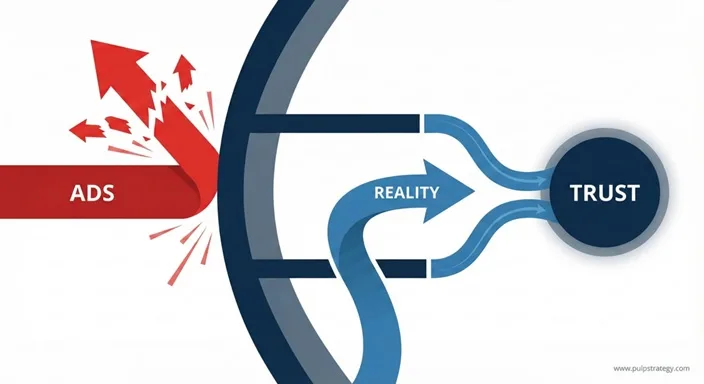
- Brands must be visible on Discord, Reddit, and in creator-led content.
- Assistance must replace advertising - guided by AI, not gated by forms.
- Transparency isn’t a brand value; it’s a behavioral mandate.
The implication for marketers? You’re not selling a product. You’re entering a trust economy where attention is a loan and retention is the interest paid.
What a Tribe-First Strategy Looks Like
A tribe is not a follower count or a demographic bracket. It is a dynamic group of people connected by shared beliefs, cultural context, and behavioral signals. Tribes interact across platforms, but their cohesion is driven by internal codes, not external campaigns.
Unlike audiences or communities, tribes are self-curated. They do not want to be marketed to - they want to be understood, spoken with, and seen. Gen Z rejects mass segmentation. They gravitate toward micro-communities defined by interest, identity, and ideology. Winning brands embed into these tribes by designing content ecosystems that mirror the values and language of the cohort.
Key elements:
- Identity-based messaging tailored to tribal signals, not personas
- Creator collaborations rooted in shared values, not transactional reach
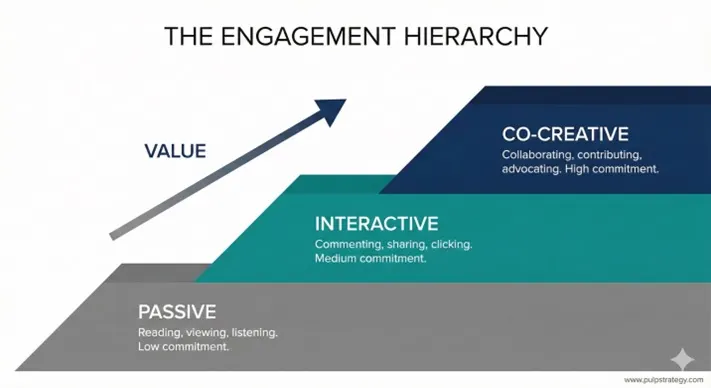
- Participation over performance - co-creation, comments, stitch content, and real-world resonance
- Owned destinations - WhatsApp groups, branded Discords, opt-in newsletters where community meets conversion
This means challenging legacy segmentation models. Most CMOs still organize by demographics - Gen Z organizes by discourse. If your strategy doesn’t mirror that, you’re building for a past that no longer performs.
How to Align Your MarTech and Content
Who this is for: CMOs, CXOs, growth marketers, and GTM leads in digital-first and tech-centric enterprises looking to engage Gen Z at scale.
CMOs must integrate:
- LLM-optimized knowledge bases for AI-led discovery
- Guided CX via chat and messaging apps
- Dynamic content flows that shift based on user behavior, not drip timelines
MarTech isn’t the backend anymore - it is the delivery engine of personalized brand relevance in real time. Content fuels it. AI refines it. Tribe logic guides it.
Proof in Practice: Campaign Case Study
Case: Philips SpeedStyle
To re-establish relevance with Gen Z, Philips repositioned its styling product as an enabler of self-expression. We launched SpeedStyle with hyper local focus across college campuses using:
- Creator-led gamified short-form video
- Interactive offline content zones for trial and share
- Community-led meme content
The result: 4x lift in purchase intent and 2.7x ROAS across Gen Z cohorts. The campaign won five industry awards for innovation in personal care and electronics.
Case: Dabur #ChooseBlackForWhite
Dabur Herbal Charcoal faced skepticism around charcoal in oral care. The objective was to associate “black” with brighter, more confident smiles. Anchored in dating culture and smile-first storytelling, we activated across:
- Dating and social platforms with short-form reels and flashcards
- Creator partnerships highlighting real-use authenticity
- Original audio to drive cultural recall and memeability
The outcome: 15M+ impressions, a shift in brand favourability, and three creative awards including one in 2025 for category innovation and digital storytelling.
Comparison Table: Funnel vs Loop-Based Growth
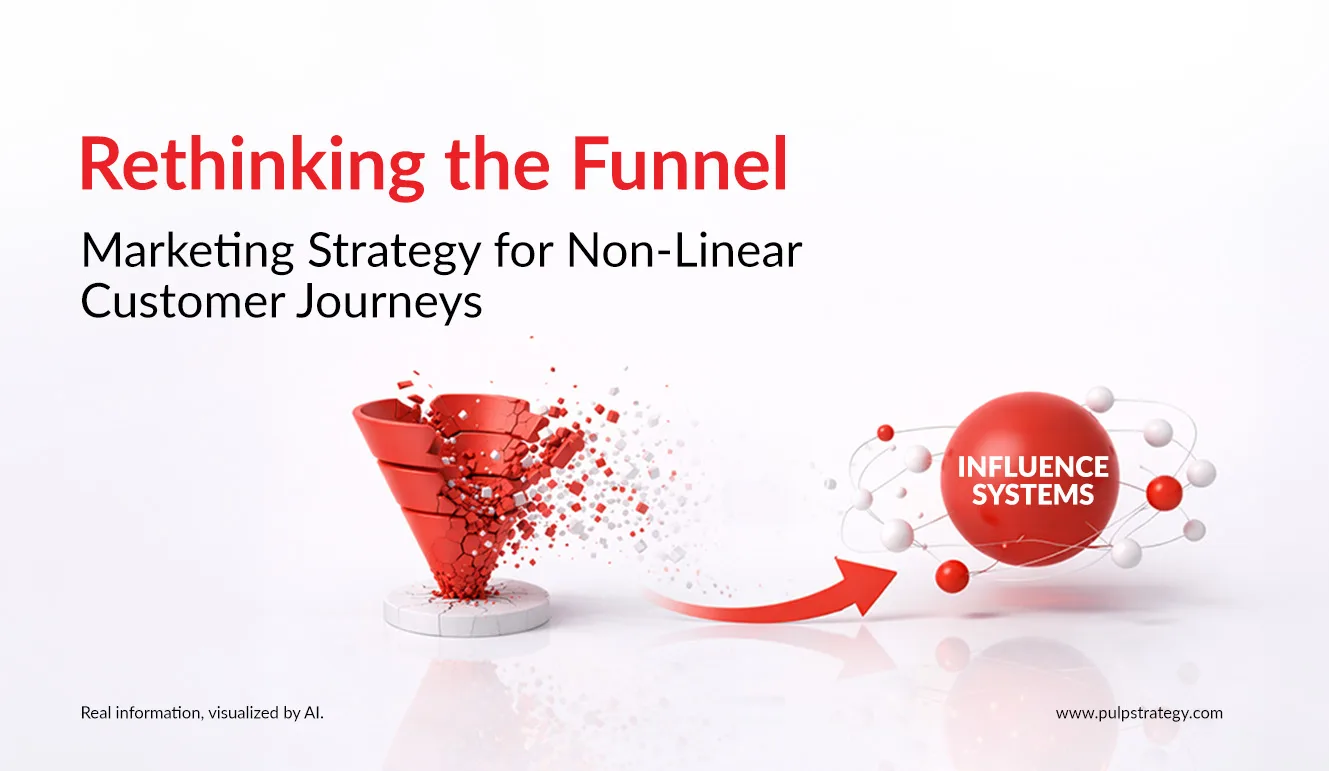
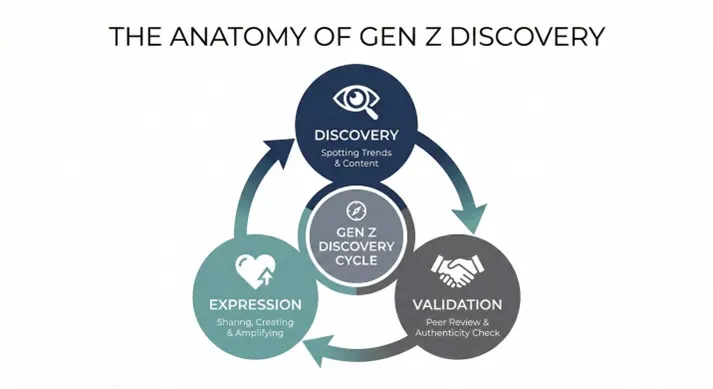
The classic funnel is failing. Gen Z doesn't move in stages - they cycle through discovery, validation, and conversion in moments. A loop-based strategy replaces linear thinking with systems that reflect how real behavior unfolds.
| Dimension | Funnel Marketing | Loop-Based Strategy (2026) |
| Discovery | Search, Display Ads, LLM SEO | YouTube Shorts, reels, AI prompts, Reddit threads |
| Validation | Product Pages, Testimonials, YouTube explainers | Creator content, Discord/Reddit forums, comment sections |
| Consideration | Retargeting Ads, Whatsapp knowledge journies, chat bots | AI-based chat, Gen Z-focused influencers, Shorts, Reels, explainer reviews |
| Conversion | Forms, Carts, Checkout pages | WhatsApp chat, UPI/pay-in-DM, link-in-bio landing pages |
| Retention | CRM, Whatsapp, Loyalty Programs | Interest-based WhatsApp groups, creator drops, post-purchase DM loops |
| Feedback Loop | Surveys, NPS | Meme replies, reels, shorts, Reddit threads, chat-based UGC feedback |
What Not to Do: Common Gen Z Marketing Mistakes
Many brands fail the Gen Z test not because they lack budget or channels-but because they misunderstand the culture. Here’s what not to do:
- Don't over-polish your messaging. Gen Z rejects corporate gloss and generic brand language.
- Avoid static campaign planning. If it isn’t agile and reactive, it’s already dated.
- Stop using influencers as mouthpieces. They must be co-creators or embedded tribe members.
- Don't ignore friction. A clunky checkout or slow page load means lost conversions.
- Avoid performative purpose. If your values don’t match your actions, they will call it out.
Gen Z will not reward mediocrity, but they will amplify brands that reflect their truth. This playbook exists to ensure you're in the latter camp.
Top Behavioral Triggers Driving Gen Z Engagement (2025 Update)
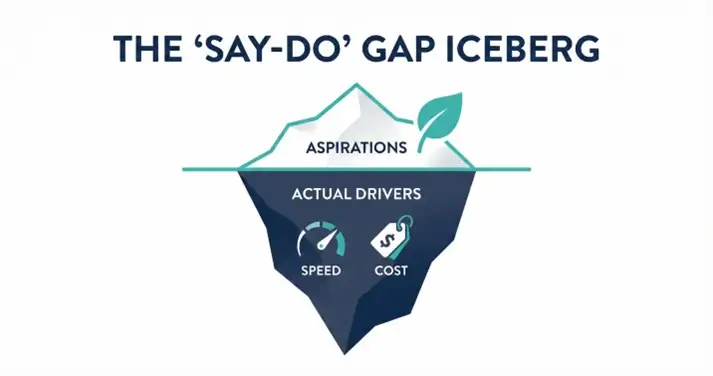
As of 2025, Gen Z’s engagement is defined by a "crisis of shared reality," driving them toward radical authenticity and community-validated content. While they demand high ethical standards, their behavior is often pragmatic-prioritizing convenience, speed, and creative expression. The "Love Language" of this cohort is sharing short-form video, making shareability the ultimate metric of engagement.
| Trigger | Psychological Driver | Key Behavioral Insight | Actionable Strategy |
| Authenticity & Transparency | Skepticism: A "radar" for deception | 68% doubt online content's reality. Rejects "polished" ads. | Replace hard sells with impartial advice. Feature real people and conversational tone. |
| Social Connection | Belonging: Sharing as bonding | 67% share videos to connect. IRL experiences counter digital fatigue. | Create joyful, shareable content. Use experiential activations. |
| Short-Form Video (SFV) | Discovery: Video is search | 78% discover new brands via video; 81% use Instagram to self-educate. | Treat Reels/Shorts as SEO. Prioritize repetition and expert-led content. |
| Purpose & Values | Identity: Buying reflects beliefs | 65% expect brands to lead on issues; only 9% prioritize sustainability over price. | Avoid cause-washing. Integrate purpose with product quality and transparency. |
| Convenience & Immediacy | Low friction tolerance | 88% abandon if checkout is hard; high BNPL and mobile usage. | One-click checkouts, fast UX, and flexible payment models. |
| Gamification & Interactivity | Participation > passive consumption | Tiers, status, AR/AI features drive deeper engagement. | Use loyalty gamification, virtual try-ons, and challenge formats. |
| Humor & Emotion | Escapism from global stress | 71% say humor helps escape anxiety. | Use culturally-aware wit and human storytelling. |
| Exclusivity & Creativity | Identity as individuality | 81% of luxury Gen Z purchases driven by design. | Launch limited drops, customization, and hyper-creative formats. |
Strategic Implication: The "Vibe" Check
To win in 2026, brands must pass the Gen Z vibe check:
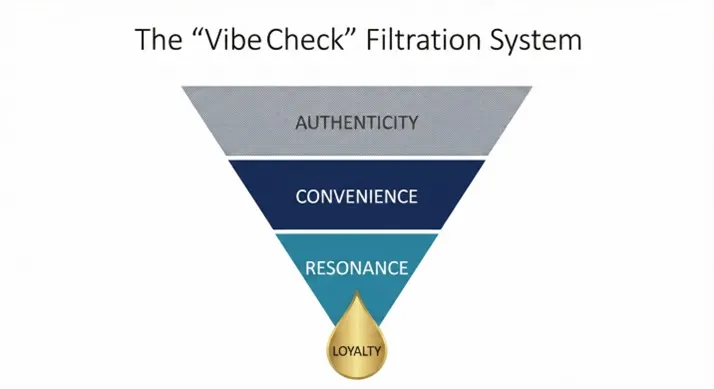
- Be Real: If it looks like an ad, they will scroll.
- Be Fast: If it takes time to buy, they’ll bounce.
- Be Funny/Deep/Fun: If it doesn’t make them laugh or feel seen, it won’t get shared.
Why Pulp Strategy Is Built for Gen Z Playbooks
We didn’t just study the Gen Z shift, we helped architect it. With over 100 awards for go-to-market excellence and a client portfolio featuring some of the buzziest global brands, Pulp Strategy is where culture, data, and growth collide.
Our model blends short-form orchestration, AI discovery, tribe mapping, and content systems built for platform-native performance. Whether it’s scaling trust, converting social signals into sales, or activating creator-led ecosystems, we don’t just adapt to Gen Z, we build what comes next.
When you’re ready to move from funnel thinking to growth loops that reflect behavior in motion,
Takeaways for CMOs
- Gen Z starts with AI and validates through creators
- Funnels are obsolete - marketing must be loop-native
- Trust is earned through cultural and conversational consistency
- Brand, content, and MarTech must work as one real-time engagement system
- In 2026, strategy is no longer about message control - it’s about platform coherence and behavioral design
Glossary of Strategic Terms
- Growth Loop: A non-linear engagement model where users continuously cycle through discovery, validation, and action, generating momentum through participation and feedback, not just conversion.
- Tribe Logic: A targeting framework that replaces demographics with cultural discourse and behavioral cohesion. Tribes are identity-driven communities that share values and validate each other’s choices.
- Platform-Native: Content, creative, or strategy designed specifically for a platform’s mechanics, language, and user behaviors, e.g., Reels/Shorts stitches, Reddit AMAs, WhatsApp broadcast lists.
- Behavioral Design: Strategy that influences decisions through cues and patterns aligned with human psychology and platform behavior, e.g., swipeable storytelling, micro-reward systems.
- LLM Discoverability: Structuring content and data to be surfaced contextually by large language models like ChatGPT and Gemini, where AI becomes the entry point to a brand.